

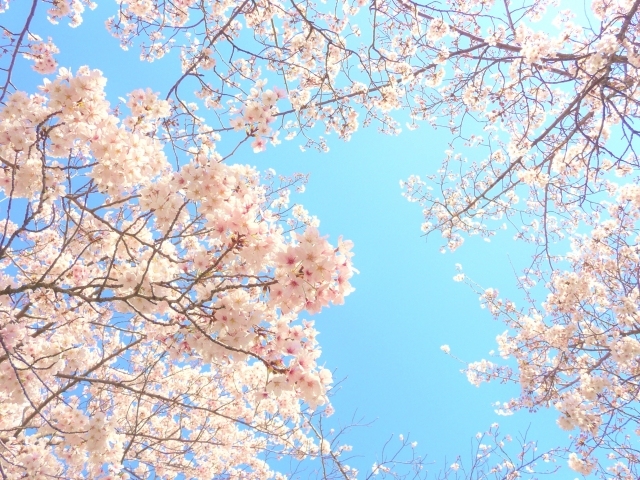


Naruko Onsenkyo in spring is a beautiful hot spring resort known for its rapeseed blossoms and cherry blossoms. You can enjoy the changing seasons and abundant hot springs at the same time. This article introduces spots where you can enjoy cherry blossoms and rapeseed blossoms, as well as recommended accommodations for your sightseeing base.
A course that takes you from the Kawawatari Onsen area to the Naruko Onsen area.
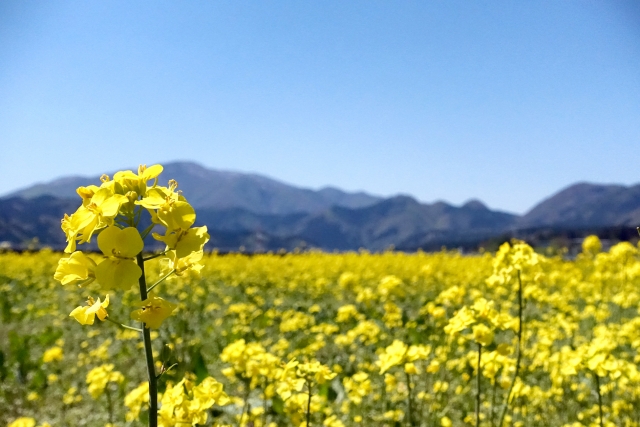
Kawatari Onsen is a hot spring resort that has long been known as "Kakke Kawatari" (Kakke Kawatari), a place for treating beriberi. It has a history of over 1000 years and has been a popular hot spring resort since the Edo period. Naruko Onsen is also counted among the "Three Famous Hot Springs of Oshu" and is a hot spring resort that boasts abundant hot spring water and therapeutic effects. It is also famous for its traditional crafts, including Naruko kokeshi dolls, and there are workshops where you can try painting them.
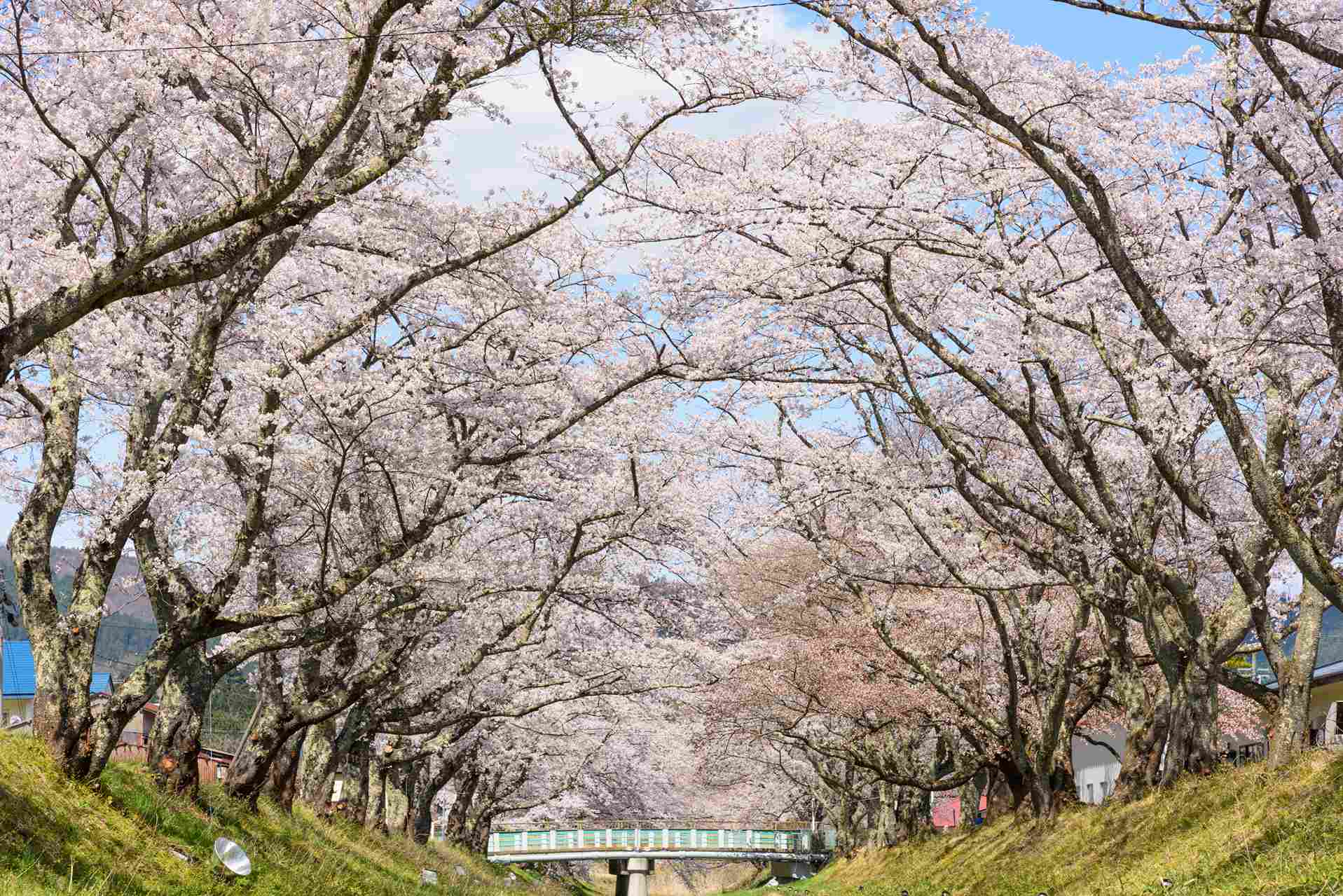
Enjoy the magical sight of cherry blossoms at night | Cherry blossom trees along the Yuzawa River
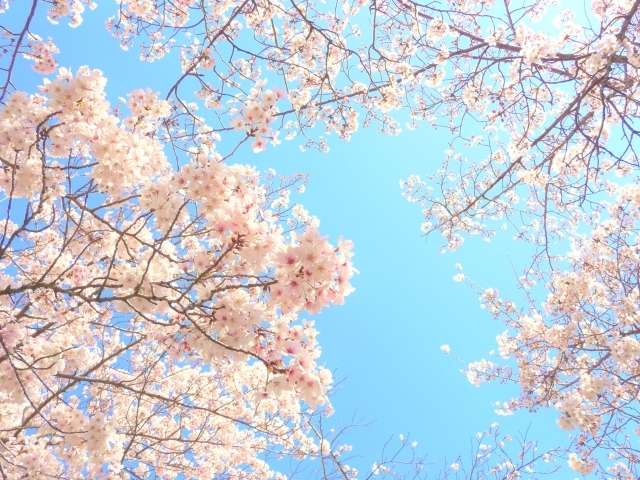
The rows of cherry trees blooming along both banks of the Yuzawa River are truly breathtaking. During the blooming season, the trees are also illuminated at night, offering a magical view that is different from the daytime scenery. If you plan to visit during the nighttime illumination, it's a good idea to bring a jacket.
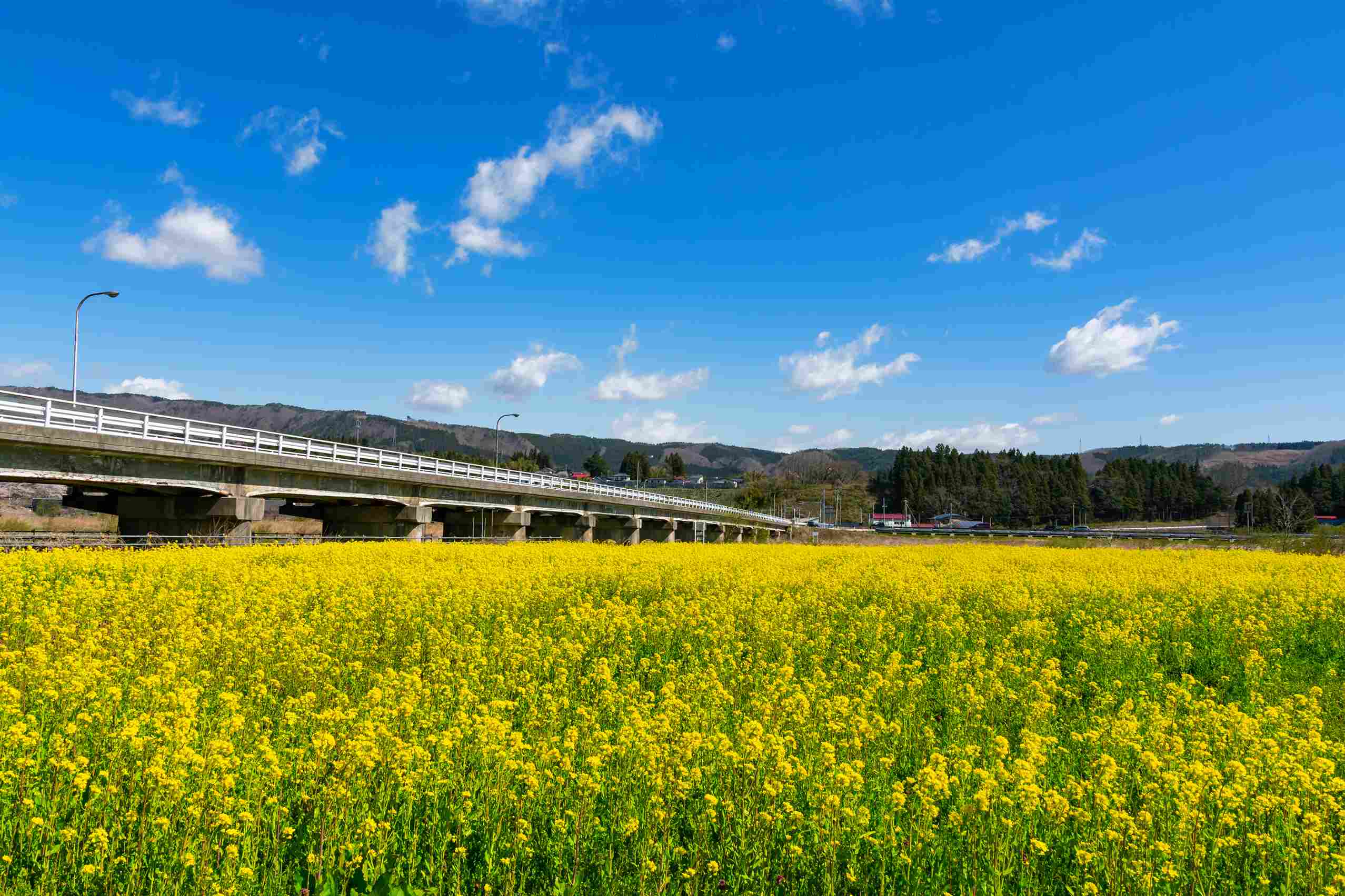
A field of rape blossoms stretches as far as the eye can see | The riverbed of the Egai River
At the riverbed of the Egai River below the Kawawatari Bridge, you can enjoy both rapeseed blossoms and cherry blossoms if their blooming seasons coincide. The collaboration with the remaining snow on Mt. Hanabuchi, visible in the distance, is also captivating. The "Rapeseed Blossom Festival" is held there every year around the end of April.
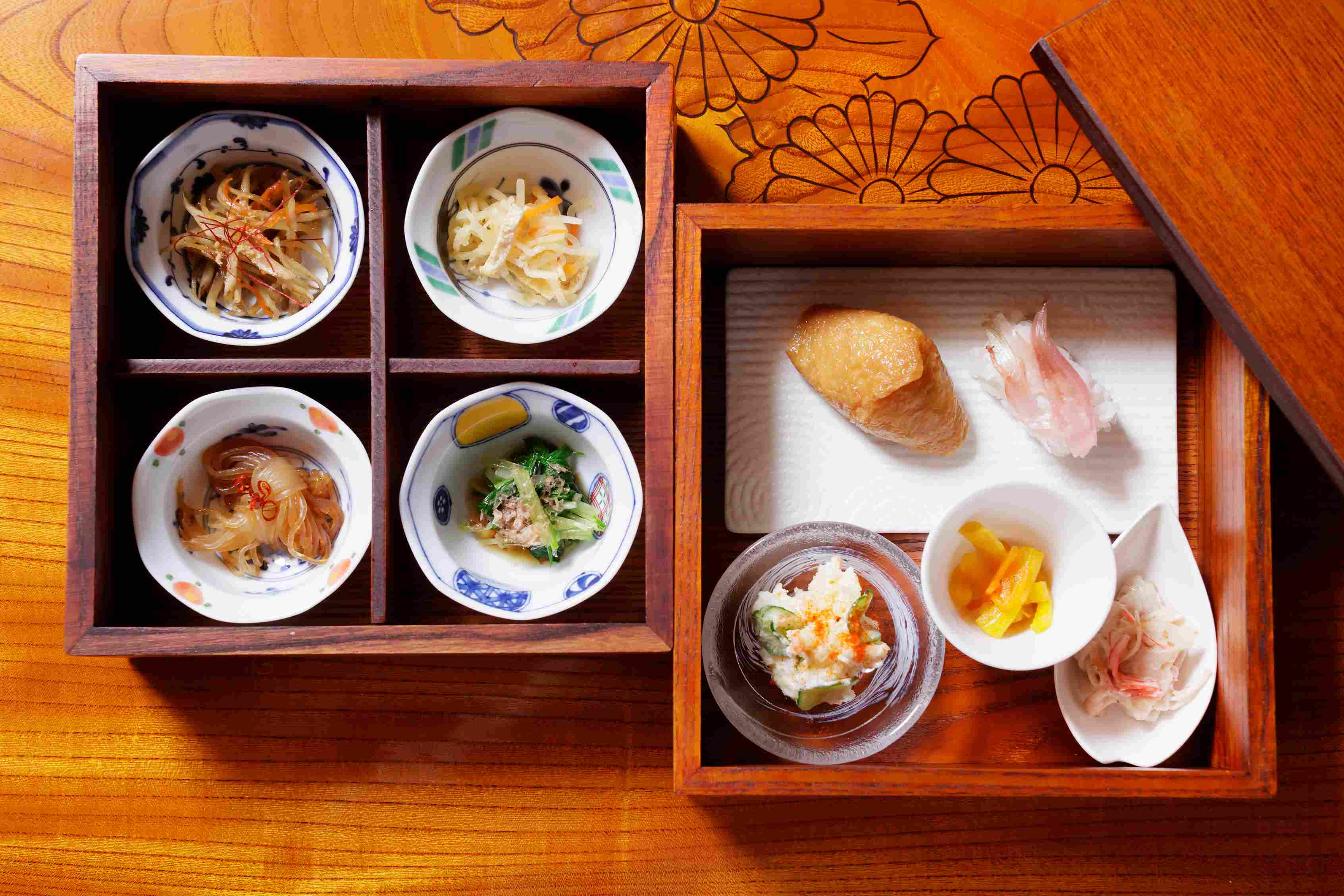
Enjoy authentic Naruko home cooking at the restaurant, Bettei En.
This is a home-style restaurant that uses local ingredients and serves everything from scratch. It's filled with attention to detail, such as using traditional Naruko lacquerware, allowing you to enjoy unique dishes you won't find anywhere else. They serve breakfast, lunch, and dinner, and also offer bento boxes in traditional bentwood containers.
You can see the remaining snow shining in the spring sunlight | Hanabuchi Mountain
Hanabuchiyama, located in the Naruko Onsen area, has an elevation of 984.6m. Situated within Kurikoma Quasi-National Park, it offers views of lingering snow in early spring. The southern slope of Hanabuchiyama was once home to the Hanabuchiyama Ski Resort, a renowned ski resort that hosted events such as the Winter National Sports Festival and the All Japan Championships, but it closed in 2002.
Naruko Park offers a panoramic view of the hot spring town.
Naruko Park is famous for its cherry blossoms and azaleas. Located on a hill in the Naruko Onsen area, the park offers a panoramic view of the hot spring town. Next to Naruko Park is the "Japan Kokeshi Museum," where visitors can enjoy exhibitions of traditional kokeshi dolls and participate in kokeshi painting workshops. There is also a giant kokeshi doll, a symbol of Naruko Onsen, which is a popular photo spot.
A course that takes you from the Onikobe area to the Nakayamadaira Onsen area.
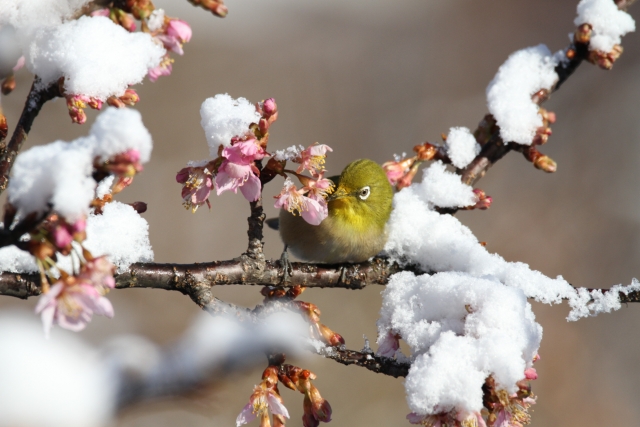
Onikobe Onsen is a hot spring resort famous for its geysers and Jigokudani (Hell Valley). Surrounded by caldera mountains, it also boasts tourist attractions such as Onikobe Ski Resort and Arao Lakeside Park, where visitors can enjoy various activities. Meanwhile, Nakayamadaira Onsen is a national health resort designated by the Ministry of the Environment. Along National Route 47 is the public bathhouse "Shintoro no Yu," where both locals and tourists can enjoy natural hot springs.
Enjoy barbecues and camping | Arao Lakeside Park
Arao Lakeside Park is a park rich in nature, where you can see cherry blossoms in the spring. It also offers activities such as a campsite and an athletic playground, making it a great choice for family trips.
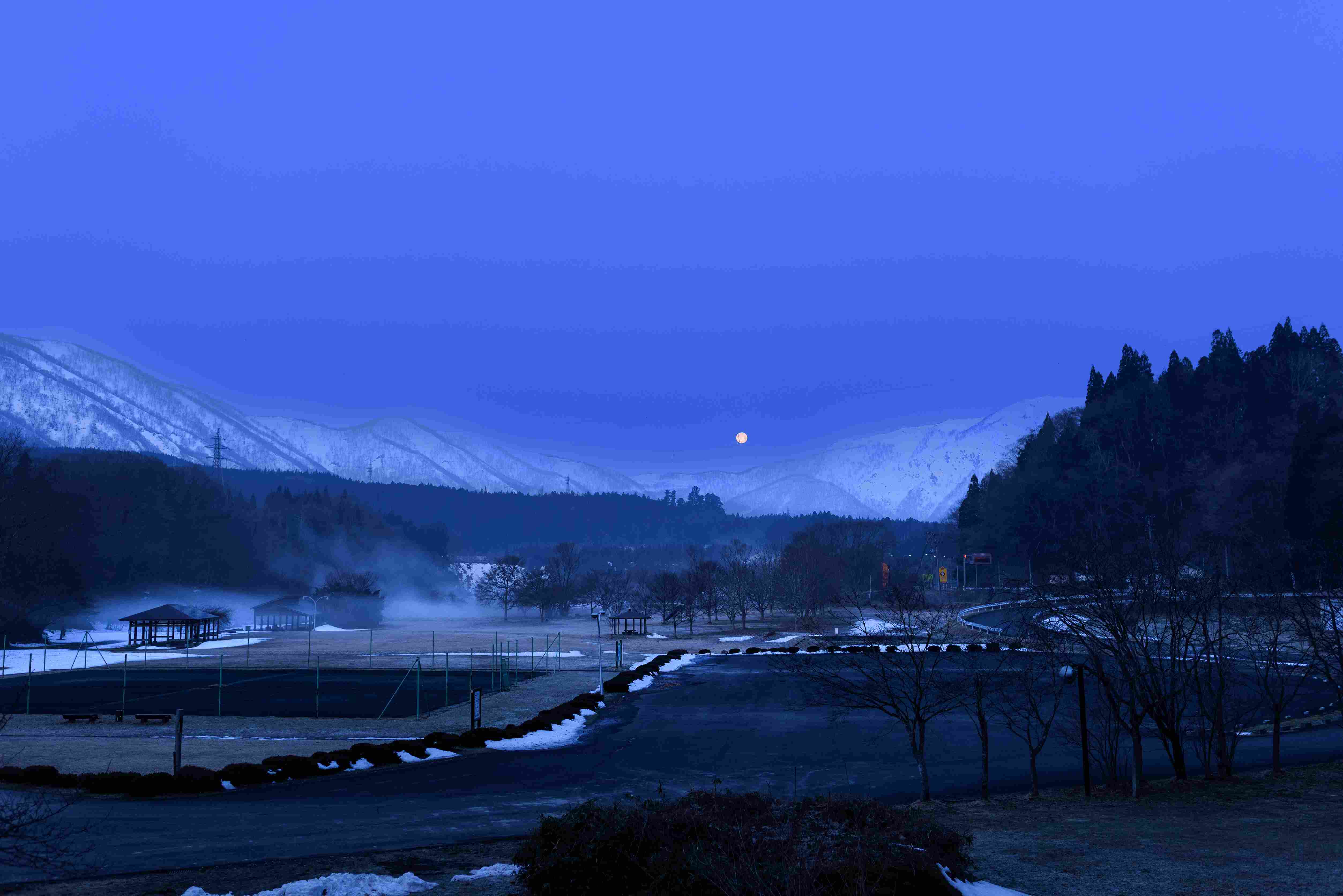
The contrast between history and lingering snow is beautiful | Araogawa Shrine
Araogawa Shrine is said to have been founded in the fourth year of the Yōrō era, making it a shrine with a very long history. Because the Onikobe area is at a high altitude, you can still enjoy the lingering snow at Araogawa Shrine even in mid-April. Please note that the shrine is closed for the winter season from December to March, except for New Year's Day.
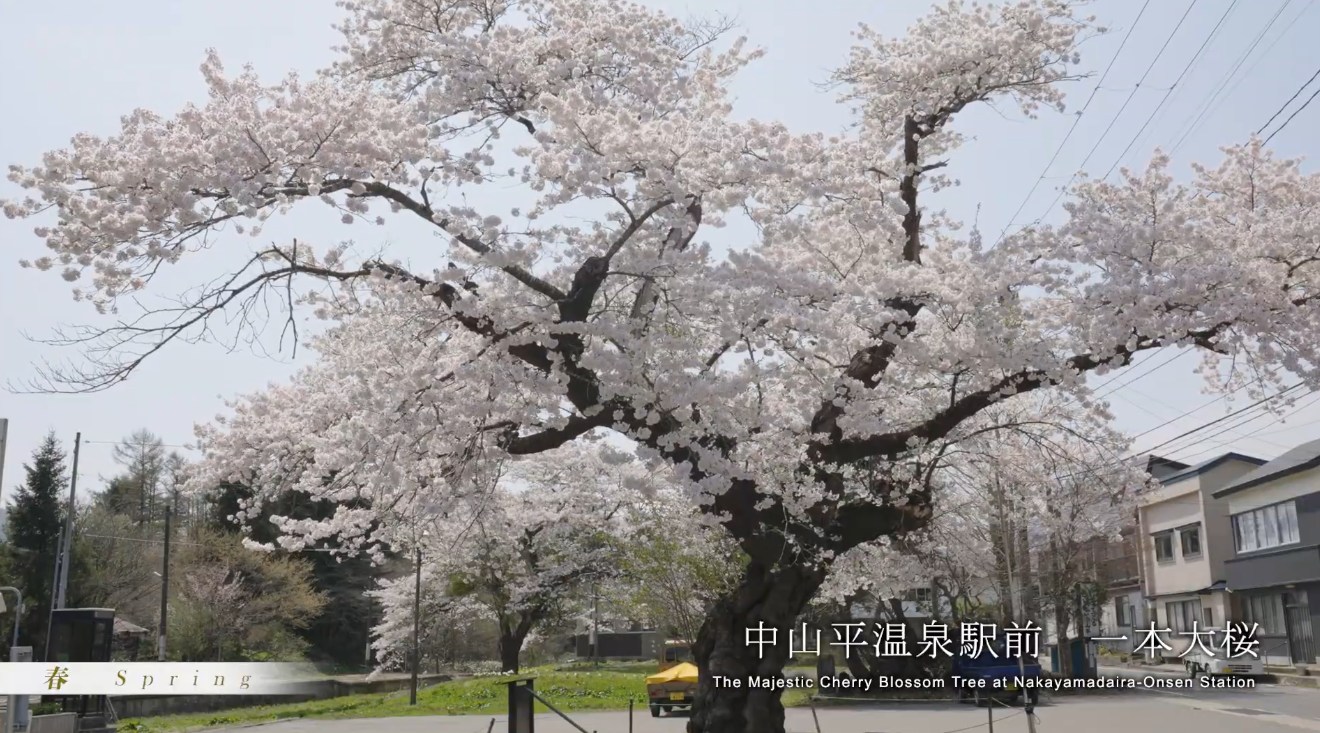
Symbol of the hot spring town | The large cherry tree in front of Nakayamadaira Onsen Station
The large cherry tree in front of Nakayamadaira Onsen Station is a symbol of the hot spring town. This gigantic Somei Yoshino cherry tree has a trunk circumference of 3.4m and a height of approximately 10m, and was planted in 1917 to commemorate the opening of the Rikuu East Line. During the blooming season, it is illuminated from dusk until 10pm.
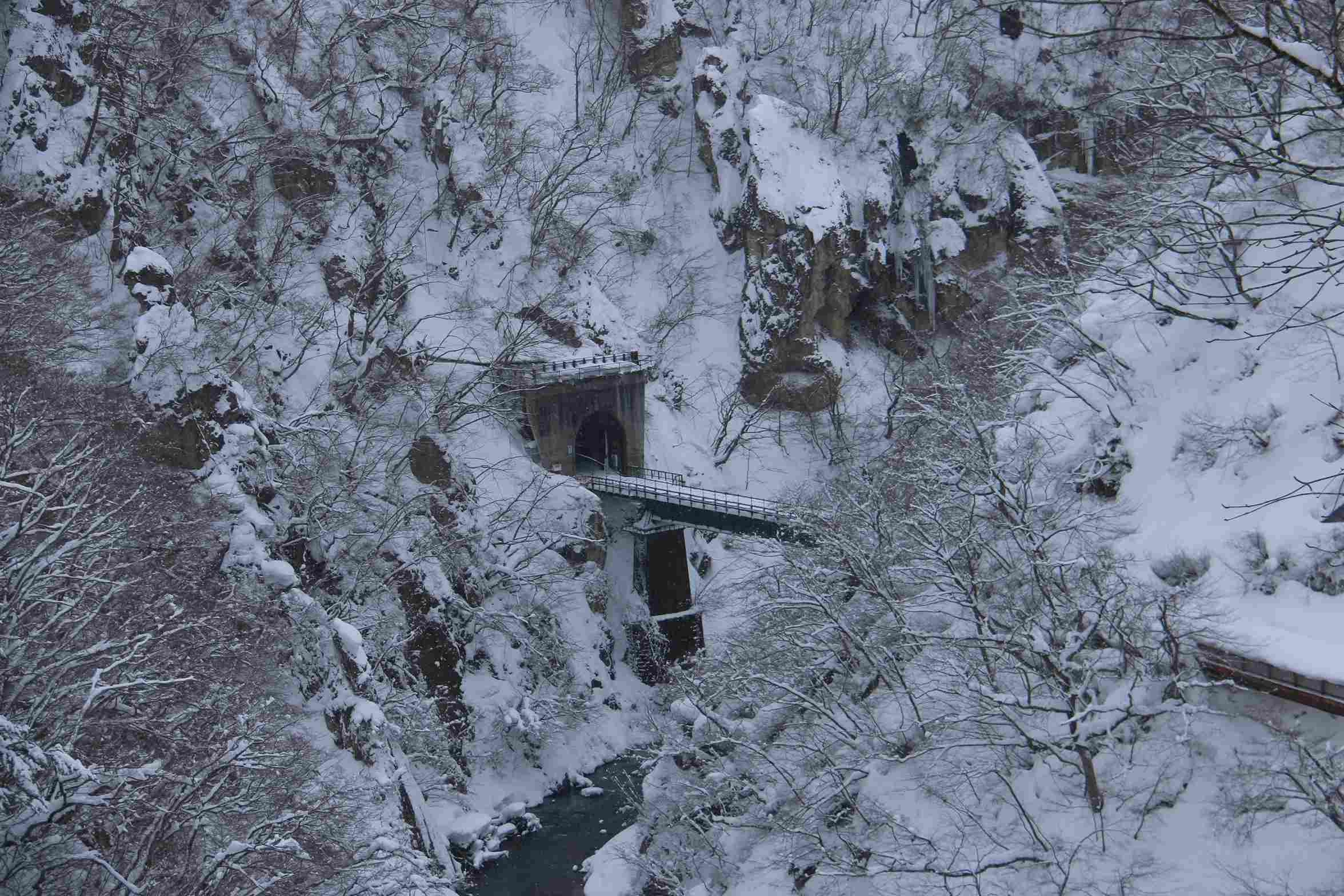
Silver-white snow adorning the cliffs | Lingering snow in Naruko Gorge
Even in early to mid-April, you can still see lingering snow in Naruko Gorge. The beauty of the contrast between the light layer of snow remaining in the valley and on the mountainside and the spring sunshine is a major attraction. Please note that the area is closed for the winter season from late November to late April.
For the ultimate spring experience in Naruko Onsenkyo, head to "Hotel WAMARE Onikobe".
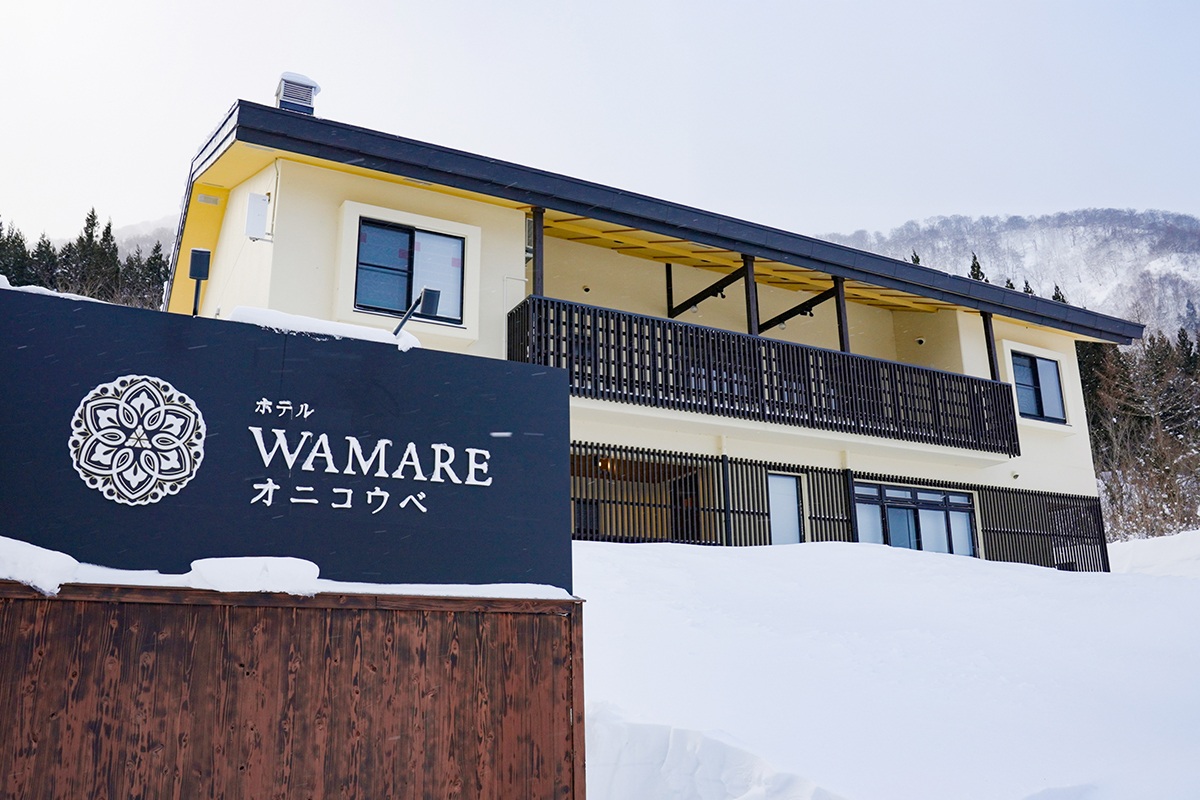
Hotel WAMARE Onikobe is a private ryokan (traditional Japanese inn) available for rent as a whole building. It's designed as an experiential accommodation where guests can immerse themselves in the history, culture, and traditions of the Tohoku region. It incorporates elements that allow guests to enjoy Japanese culture, including Naruko Kokeshi dolls, a traditional craft of Naruko Onsen. Located in the Onikobe area, Hotel WAMARE Onikobe is conveniently situated for sightseeing in the Naruko Onsen area. Please consider using it as your base for your trip.
 List of Contents